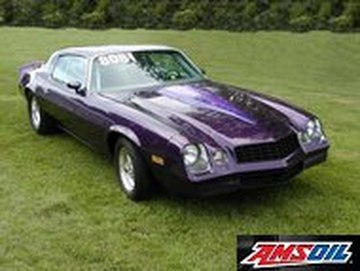
Lubrication Maintenance for the 1981 Chevrolet CAMARO 4.4L
Maintaining a vehicle from the early 1980s requires a shift in perspective compared to modern automotive care. For owners of a 1981 Chevrolet CAMARO equipped with the 4.4L engine, routine service is not just about following a schedule; it is about active monitoring and understanding how aging components interact with various fluids. Proper lubrication management is a cornerstone of preserving the mechanical integrity of this engine over time.
Monitoring Fluid Integrity and Condition
One of the most effective ways to assess the health of an engine is through regular observation of its lubricants. Rather than relying solely on mileage, owners should periodically inspect the appearance and consistency of the engine oil. While a fresh oil change provides a clean slate, the condition of the fluid between services can reveal much about the engine's operating environment.
When performing an inspection, look for any signs of unexpected changes in the lubricant. For instance, if the oil appears excessively dark or contains visible particulate matter shortly after a service, it may warrant further investigation into the filtration system or the engine's internal cleanliness. Additionally, checking for unusual odors or textures can be helpful. If you notice any discoloration that suggests contamination, such as a milky appearance, this should be addressed immediately to prevent potential issues with the lubrication system.
It is also useful to monitor how much oil the engine consumes during normal operation. While some level of consumption can occur as engines age, significant changes in fluid levels between inspections are worth noting. Keeping a log of these observations allows you to establish a baseline for your specific vehicle, making it easier to identify when a change in behavior occurs.
Identifying Potential Seepage and External Leaks
As vehicles age, the materials used in gaskets and seals can undergo changes due to thermal cycling and time. For a 1981 Chevrolet CAMARO, regular visual inspections of the engine compartment are essential for identifying early signs of fluid loss. Rather than waiting for a significant drip to form on the driveway, proactive owners look for "seepage"—a light film of oil around sealing surfaces.
When inspecting the engine, focus on areas where different components meet. Inspecting gaskets and seals for signs of age-related seepage can help you catch minor issues before they escalate into more significant leaks. This includes checking the area around the oil pan and other major sealing points. If you observe wetness or residue in these areas, it may indicate that a seal is beginning to lose its effectiveness.
Cleaning the engine bay periodically can also assist in this process. A clean engine makes it much easier to spot fresh leaks that might otherwise be hidden by accumulated dust, grime, or old residue. If you find evidence of leakage, do not immediately assume a specific component has failed; instead, use these observations to guide a more thorough inspection of the surrounding area.
Managing Long-Term Engine Health
Effective long-term ownership involves moving away from reactive repairs and toward a strategy of informed maintenance. For an older vehicle like this CAMARO, this means prioritizing tasks based on the actual condition of the machine rather than just its age. If you do not have a complete service history for the vehicle, your first priority should be establishing a maintenance baseline.
To establish this baseline, perform a comprehensive inspection of all fluids and accessible mechanical components. Documenting the current state of the oil, the condition of any visible belts (if equipped), and the presence of any minor leaks provides a starting point for all future service decisions. Once this baseline is set, you can track changes over time with much greater accuracy.
When deciding which maintenance tasks to prioritize, address active warning signs or evidence of fluid loss first. For example, if an inspection reveals significant seepage or a change in how the engine consumes oil, these should take precedence over general preventive measures. By focusing on the current needs of the 4.4L engine, you can manage maintenance costs and preserve the vehicle's operational reliability.
Observing Operational Warning Signs
Beyond visual inspections, the way the engine behaves during operation provides critical feedback. Owners should remain attentive to any new or unusual sensations while driving. While many symptoms can have multiple underlying causes, being aware of them is the first step in proper troubleshooting.
Unusual mechanical noises that coincide with engine operation should never be ignored. Similarly, if you notice changes in how the engine responds to throttle inputs or if there are any new vibrations, these may be associated with various mechanical factors. If a warning light or indicator appears on the dashboard related to lubrication or engine temperature, it requires immediate investigation.
Exhaust observations can also be a useful, though not definitive, indicator of engine health. While certain types of smoke can be associated with various internal conditions, they should be viewed as a prompt for professional inspection rather than a direct diagnosis. Always remember that a single symptom, such as an odor or a sound, is often just one piece of a larger puzzle and requires a systematic approach to identify the true cause.
Practical Inspection of Ancillary Components
While engine oil is a primary focus, the components surrounding the engine also play a role in overall maintenance. If equipped, inspect accessible drive belts for signs of deterioration such as cracking, glazing, or fraying. These components are subject to heat and friction, and their condition can impact how various accessories function.
Similarly, if the vehicle is equipped with various hoses, check them for signs of softening, swelling, or brittleness. Maintaining the integrity of the cooling and vacuum systems is just as important as maintaining the lubrication system, as these components work in tandem to ensure the engine operates within its intended parameters. Regular, careful observation of these parts can prevent unexpected downtime.
Buying Engine Oil for your 1981 Chevrolet CAMARO 4.4L
When it is time to replenish your engine's lubricant, the most important step is ensuring that the product you select matches the specific requirements of your application. To ensure proper protection and performance, match the engine oil to the application-specific viscosity information already displayed on this page.
As you shop for products, pay close attention to the labels. While modern oil formulations offer various options—including conventional, synthetic blends, and full synthetics—you should select the type that aligns with the guidance provided in your vehicle's documentation or the specific information listed here. Some high-mileage oil formulations contain additives intended for use in aging engines, including seal-conditioning additives, which may be a consideration depending on your engine's current state.
Always verify that any oil you purchase meets the appropriate API certification to ensure it provides the necessary level of protection against oxidation and deposits. By strictly adhering to the viscosity and application details provided in the technical data above, you can make an informed decision that supports the continued maintenance of your 1981 Chevrolet CAMARO 4.4L.